

Stargazing in the Sahara: The Darkest Skies in Morocco
Far from every city light, the Milky Way rises over the dunes like a river of light.
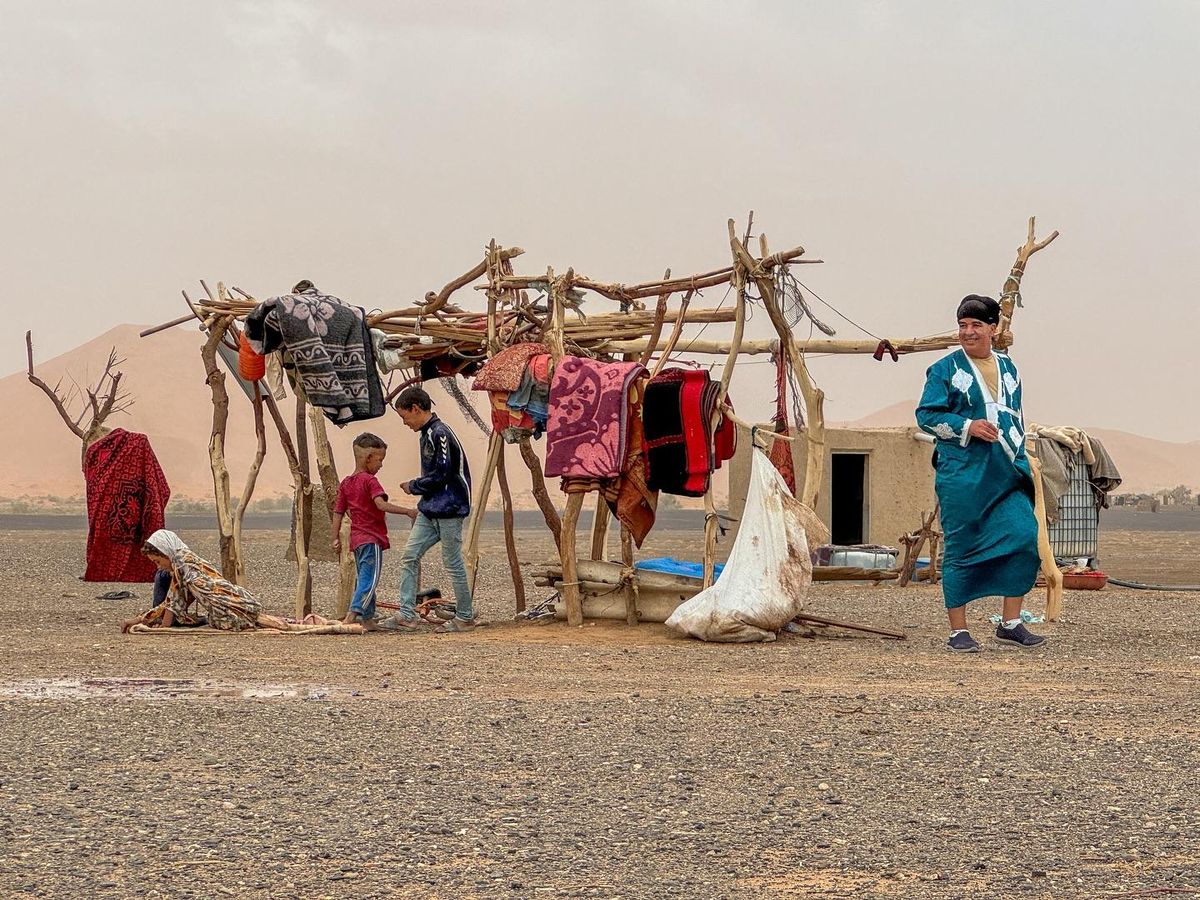
What makes the Sahara near Merzouga one of the best places in Morocco for stargazing, what to expect on a clear desert night, and which live overnight tours put you under those skies.
Quick answer: Sahara stargazing near Merzouga works so well because the Erg Chebbi dunes sit far from major towns, with little artificial light to dull the sky, so stars, planets and often the Milky Way become visible to the naked eye on a clear, moonless night. No special equipment is required, though binoculars help, and the best views usually come from an overnight stay at a desert camp away from any lit road or settlement. Several overnight and multi day Merzouga tours below include a night in the dunes, which is the most reliable way to see the sky at its darkest.
Why the Sahara sky looks so different
Light pollution is the main reason city skies show only a handful of bright stars, while a truly dark sky can reveal thousands. Merzouga and the dunes of Erg Chebbi sit well outside any large urban area, and the desert camps used for overnight stays are typically positioned away from the small amount of light that exists in town. Dry desert air also helps, since there is less moisture and dust haze blurring the view compared with more humid regions, which is part of why deserts around the world are popular for astronomy. On a genuinely clear night with no moon, this combination lets the Milky Way appear as a visible band across the sky, something very few places in Morocco or Europe still offer.
What you can actually see
On a clear night away from camp lighting, expect to pick out familiar constellations more easily than at home, along with a noticeably higher density of fainter stars filling the gaps between them. Shooting stars appear reasonably often on an ordinary night, and meteor shower dates can make for an even better show if your trip happens to align with one. The Milky Way is visible as a pale band under good conditions, particularly a few hours after sunset once your eyes have adjusted to the dark. Planets such as Venus, Jupiter or Mars are often visible too, showing as steady, bright points rather than twinkling like stars. None of this needs a telescope, though a simple pair of binoculars can bring out more detail if you want to bring one.
Best time and conditions for stargazing
Moon phase matters more than almost anything else, since a bright full moon washes out fainter stars the same way city lights do, so nights around the new moon generally offer the darkest skies. Clear, dry weather also matters, and the Sahara delivers this often, though dust in the air or a cloudy spell can occasionally reduce visibility, so no single night is guaranteed. Later in the evening, once camp lights are dimmed or you walk a short distance away from the fire, tends to give better results than right after sunset. Cooler months often bring particularly crisp, clear air, and our Sahara desert in winter guide looks at why those nights in particular are known for sharp skies, while our Sahara desert weather month by month guide covers temperatures across the year if you are planning around comfort as well as stargazing.
Where to stay for the best view
An overnight desert camp in the dunes near Merzouga is the most reliable way to get a proper dark sky, since staying in town still means some ambient light nearby. Camps set further into Erg Chebbi, reached by camel or 4x4, tend to offer the darkest conditions, and many include time around a fire after dinner when the sky is at its best. Some travellers add a short walk a little further from the camp's own lighting for an even clearer view, always sticking with a guide or staying within sight of camp rather than wandering off alone in the dark. Multi night stays naturally give you more than one chance at clear skies, which matters since weather and moon phase cannot be fully controlled in advance.
What to bring for a night under the stars
A warm layer is essential even in warmer months, since desert nights cool quickly once the sun goes down, and sitting still to watch the sky makes the chill more noticeable than walking around does. A red light torch or your phone's night mode light helps you move around camp without ruining your night vision, since a bright white light forces your eyes to readjust to the dark all over again. Binoculars are optional but rewarding, and a basic star chart or stargazing app can help identify constellations and planets as you go. Beyond that, patience is the main requirement, since your eyes need a good fifteen to twenty minutes away from bright light to adjust fully to the dark.
Photographing the night sky
Capturing the Sahara night sky on a phone is difficult without a tripod and a long exposure setting, since stars are far dimmer than daylight scenes and need the camera to gather light over several seconds without moving. A small travel tripod makes a real difference if photography matters to you, along with a camera or phone mode built for low light or night scenes. For a broader look at capturing the desert well beyond just the stars, our Sahara desert photography guide covers light, timing and simple techniques that work for dunes by day as well as sky by night. If wide desert views and a striking backdrop for photos are part of what draws you to the Sahara, our Agafay's best Instagram spots guide looks at a similar theme closer to Marrakech, for travellers combining both deserts in one trip.
Choosing a tour for stargazing
Because the darkest skies come with an overnight stay in the dunes, the tours below combine a desert camp night with a camel trek, a nomad family stop or a 4x4 route, giving you a proper evening and a clear night sky as part of the wider experience rather than a rushed day trip. Check each tour's current description for camp location and included activities, and ask your guide about moon phase and expected conditions on the night of your stay, since timing a trip around a new moon gives you the best possible chance at a truly dark sky.
Frequently asked questions
- Why is the Sahara near Merzouga so good for stargazing?
- Erg Chebbi sits far from large towns with little artificial light, and the dry desert air reduces haze, so a clear, moonless night can reveal far more stars and often the Milky Way compared with cities or even many rural areas.
- Do I need a telescope to see stars in the Sahara?
- No, a clear dark night lets you see stars, planets and often the Milky Way with the naked eye, though a pair of binoculars can add extra detail if you bring one.
- What is the best time of night for stargazing in the desert?
- A few hours after sunset, once your eyes adjust to the dark and camp activity settles down, usually gives the best view, especially away from direct fire or lantern light.
- Does the moon affect Sahara stargazing?
- Yes, a bright full moon washes out fainter stars much like city lights do, so nights closer to the new moon generally offer the darkest, most detailed skies.
- Can I see the Milky Way from a Merzouga desert camp?
- On a clear, moonless night away from camp lighting, the Milky Way often appears as a visible pale band across the sky, which is one of the main draws of an overnight stay in the dunes.
- What should I pack for a night of stargazing in the Sahara?
- A warm layer for cooling night temperatures, a red light torch or phone night mode to protect your night vision, and optionally binoculars or a stargazing app to help identify what you see.
- Is it safe to walk away from camp to see the stars better?
- A short distance from camp lighting can improve the view, but it is best done with a guide or while staying within sight of camp rather than wandering off alone in the dark.
- Which season offers the clearest skies for stargazing in the Sahara?
- Cooler months often bring particularly crisp, dry air and clear nights, though clear skies can occur across the year depending on weather conditions on a given night.
- Can I photograph the night sky in the Sahara with my phone?
- It is difficult without a tripod and a long exposure or night mode setting, since stars are much dimmer than daylight scenes and the camera needs to stay still to gather enough light.
- Do I need a multi day tour to see a good night sky?
- An overnight stay at a desert camp is the key requirement rather than trip length specifically, though a multi night stay does give you more than one chance at clear, moonless conditions.
Questions before you book?
Questions? Ask us on WhatsAppMessaging us does not confirm a booking; confirmation follows verified payment.
WhatsApp +212 655 786 616 · Contacting us on WhatsApp does not confirm a booking; confirmation follows verified payment.
Related articles
Desert & Sahara
One Night or Two in the Sahara?
The real difference between a 2-day and a 3-day Sahara desert tour from Marrakech, what changes about the drive and the camp, and four live tours to compare before you book.
5 min readUpdated 16 October 2026
Desert & Sahara
Sahara Desert FAQ: 30 Questions Travellers Ask
Thirty short, direct answers to the most common questions about booking and taking a Sahara desert tour from Marrakech, from route and camp details to payment and cancellation.
5 min readUpdated 16 October 2026
Desert & Sahara
10 Mistakes to Avoid on a Sahara Desert Tour
Ten common mistakes travellers make when booking and taking a Sahara desert tour from Marrakech, and how to avoid each one before you leave.
4 min readUpdated 16 October 2026