Best time to climb Toubkal: month by month guide to the Toubkal season, snow, heat, crowds and conditions, and when to climb for you.
By Amazouz Morocco Tours team, local guides based in Marrakech and the High Atlas
Snow in May, heat in August, perfect skies in October. Choosing your month is the first decision that decides your summit, so let's look at the best time to climb Toubkal, month by month.
There is no single perfect month. The right answer depends on whether you want snow or no snow, warm or cool weather, busy or quiet trails. Below is our honest calendar, based on guiding on Toubkal all year. Weather in the mountains changes from year to year, so treat it as a guide, not a promise.
The Toubkal season at a glance
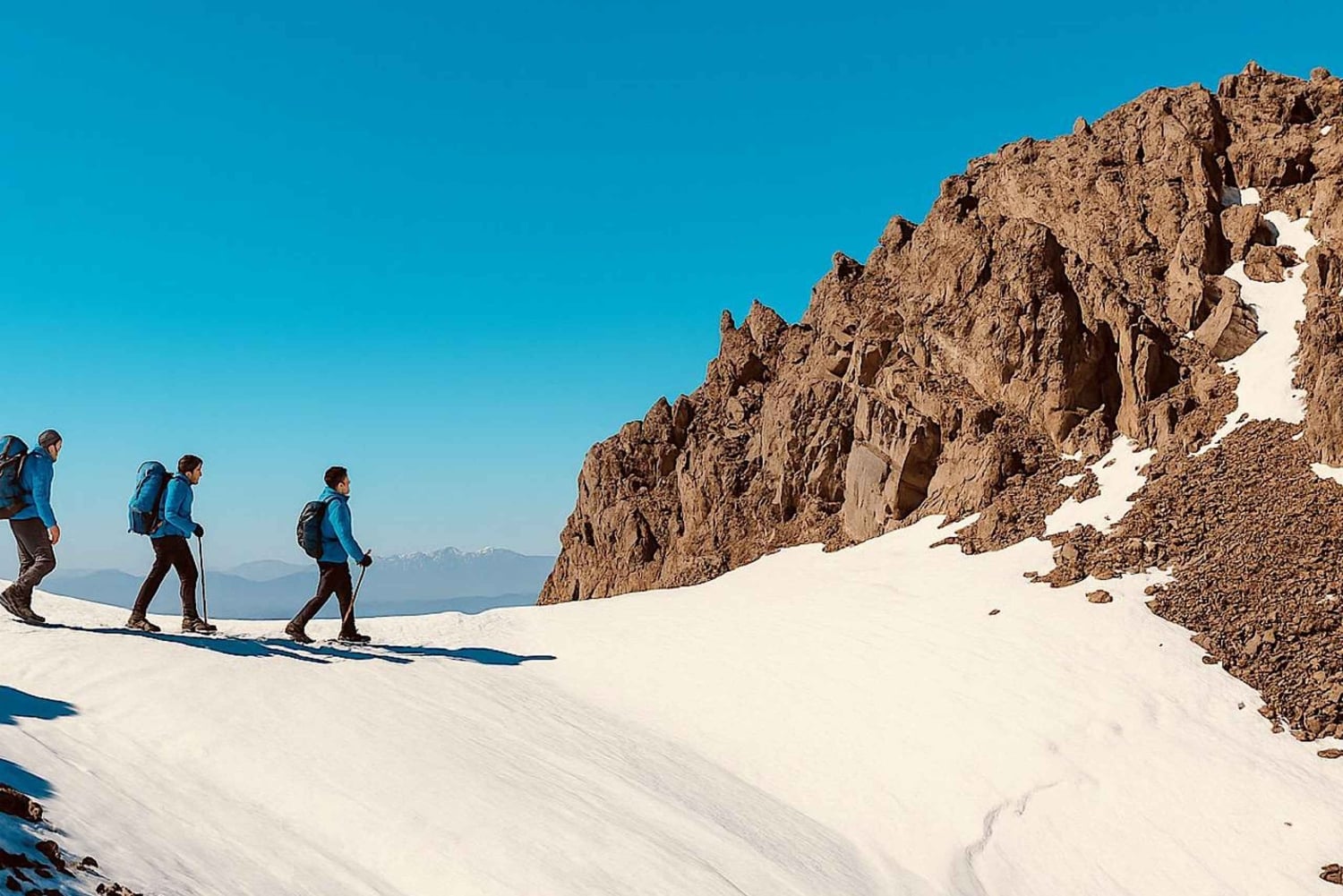
- **Snow-free trekking season:** usually about June to October [TO CHECK: confirm typical start and end months].
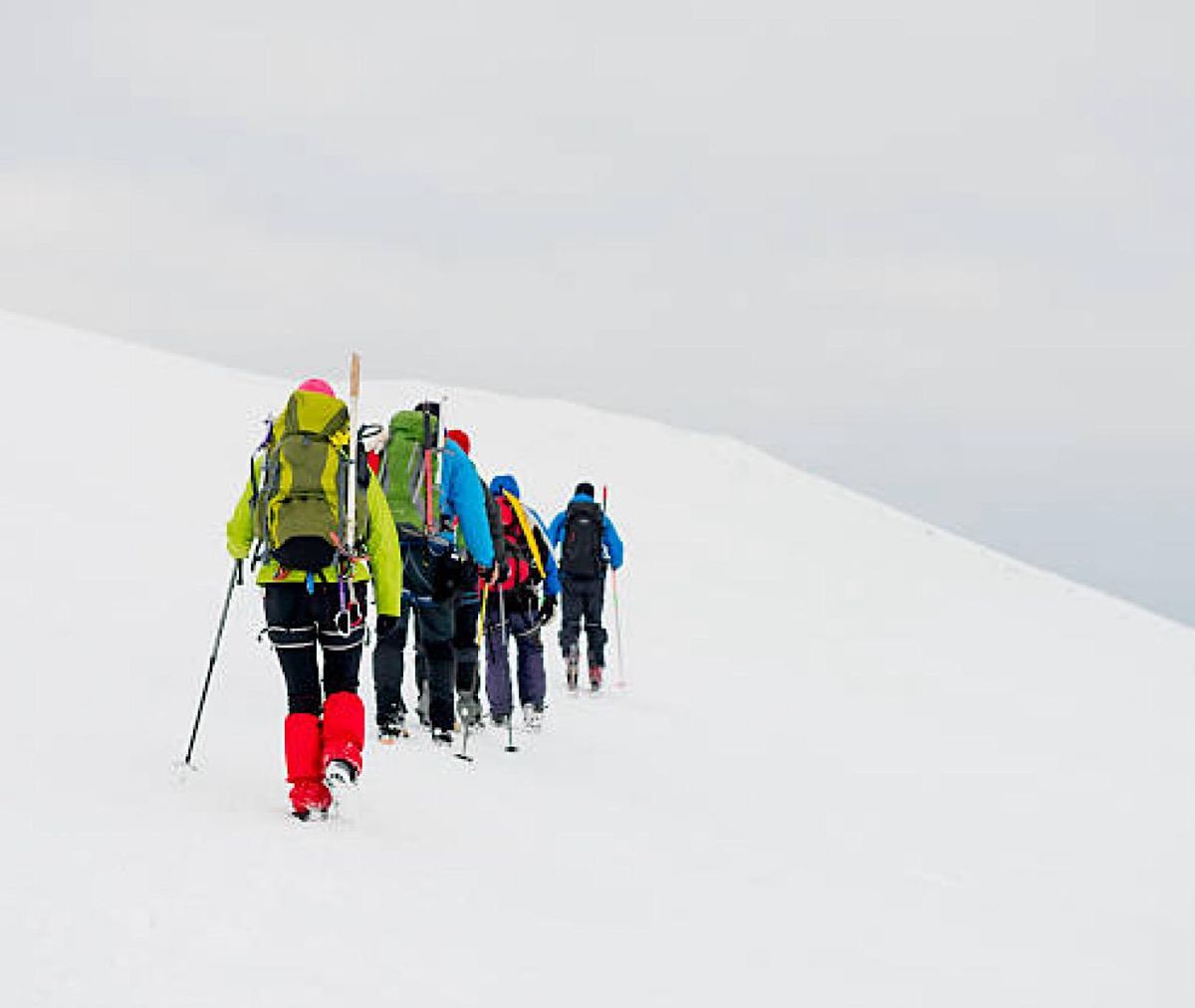
- **Winter mountaineering season:** usually about December to March, with snow and ice.
- **Shoulder months:** April, May and November, when conditions can go either way.
Whatever the month, a licensed mountain guide is mandatory for foreign hikers, and all our Toubkal treks have free cancellation up to 24 hours before the start (Morocco time), with a full refund.
Toubkal conditions by month
### January
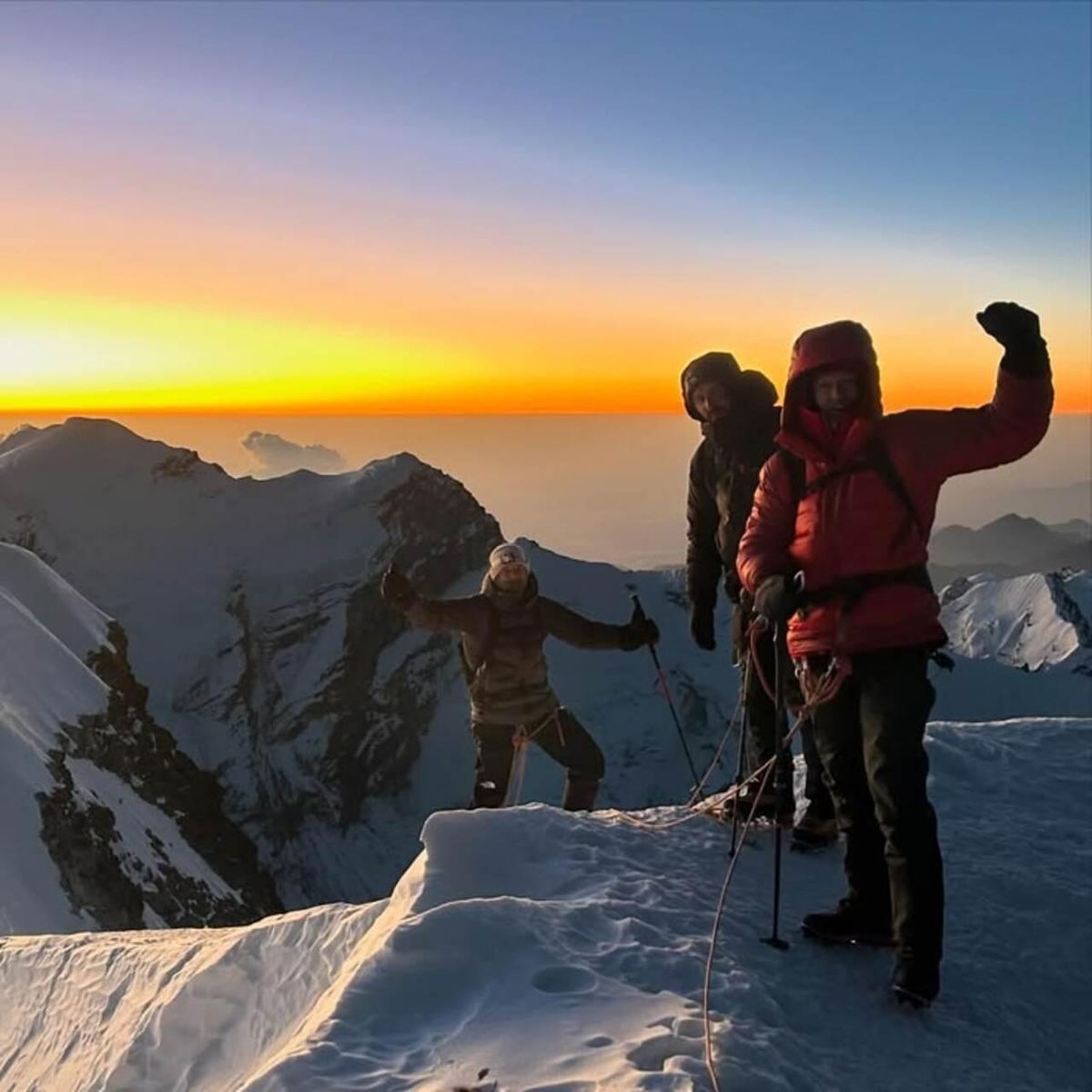
Deep winter. The upper mountain is usually under snow and ice. Crampons and an ice axe are essential, days are short and nights at the refuge are very cold. Quiet trails and beautiful white landscapes, but only for those ready for winter conditions.
### February
Similar to January, often with deep snow. Storms can close the summit for days. Choose a programme with winter equipment and an experienced guide, and be flexible.
### March
Still winter on the upper mountain, but days are longer. Valleys start to wake up lower down. Expect snow on the route.
### April
A transition month. The valleys turn green and the lower trails are lovely, while snow often remains high on the mountain. Your guide will tell you whether crampons are needed.
### May
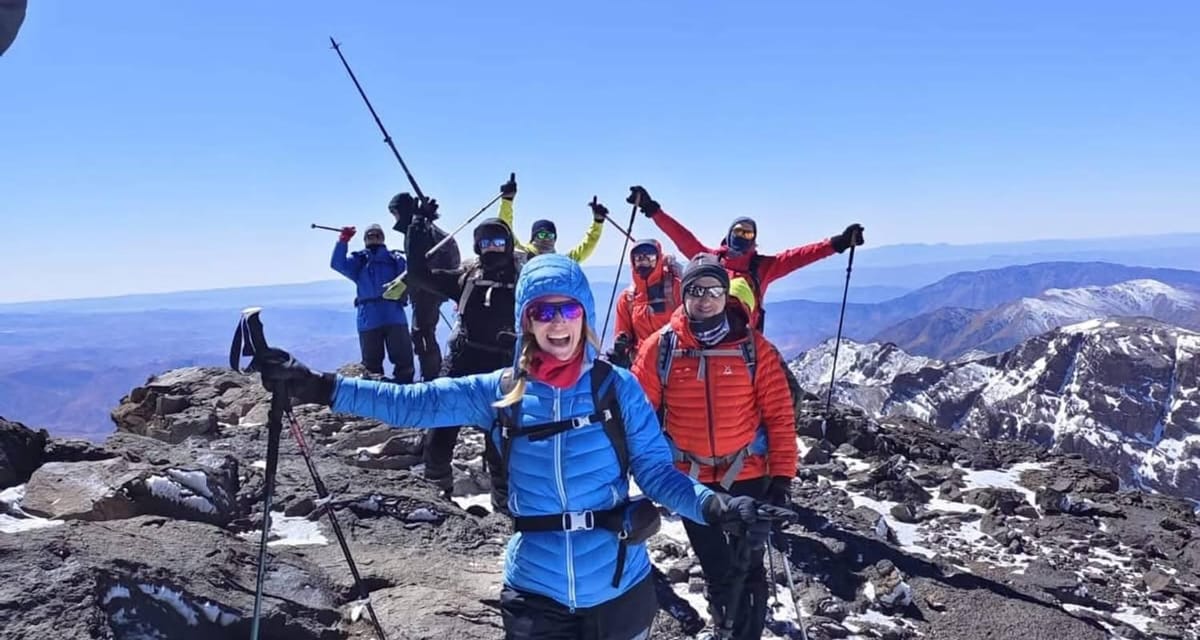
Often a mix. Snow can still cover the upper slopes, especially in a snowy year, while the lower trails are warm and pleasant. A good month if you want spring colour and are happy with possible snow near the top.
### June
The start of the main snow-free season in many years. Long days, warm valleys and generally stable weather. Trails get busier as the month goes on.
### July
Summer. The route is usually snow-free. The lower valley can be hot in the afternoon, but the summit is cool, especially at dawn. Popular, and the refuges can be busy. Start early.
### August
Similar to July, often the busiest month on the trail. Afternoon storms are possible in the mountains [TO CHECK: frequency of summer storms]. Book early and expect company.
### September
One of our favourite months. Snow-free, clear skies, cooler air and fewer people after the summer peak. Many trekkers consider it the ideal time for Toubkal.
### October
Often excellent: clear, fresh and quiet. Nights are colder and the first snow can arrive towards the end of the month. Pack warmer layers.
### November
Unpredictable. Some years are dry and clear, others bring early snow. Days are shorter and nights cold. Good for experienced trekkers willing to adapt.
### December
Winter returns. Snow is likely on the upper mountain and full winter equipment is usually needed. Quiet trails and festive-season travellers.
Which is the best month for you?
| You want | Best months |
|---|---|
| No snow, easiest conditions | June to October |
| Clear skies and fewer crowds | September, October |
| Green valleys and snow on the peaks | April, May |
| A winter mountaineering challenge | December to March |
| Long days | June, July |
The Toubkal off season
Mid-winter is the quietest period. It is not really an off season, because guided snow ascents run when conditions allow, but there are far fewer trekkers. It suits people who want solitude and are ready for cold and snow.
Planning around weather
- **Stay flexible.** Your guide may change the start time or route.
- **Build in a spare day** in Marrakech if the summit matters to you.
- **Consider three days.** Our [3-day itinerary](/blog/toubkal-3-day-trek-itinerary) gives more room for weather and rest.
- **Pack for cold** in every season. The summit is always colder than Marrakech.
Altitude does not change with the seasons
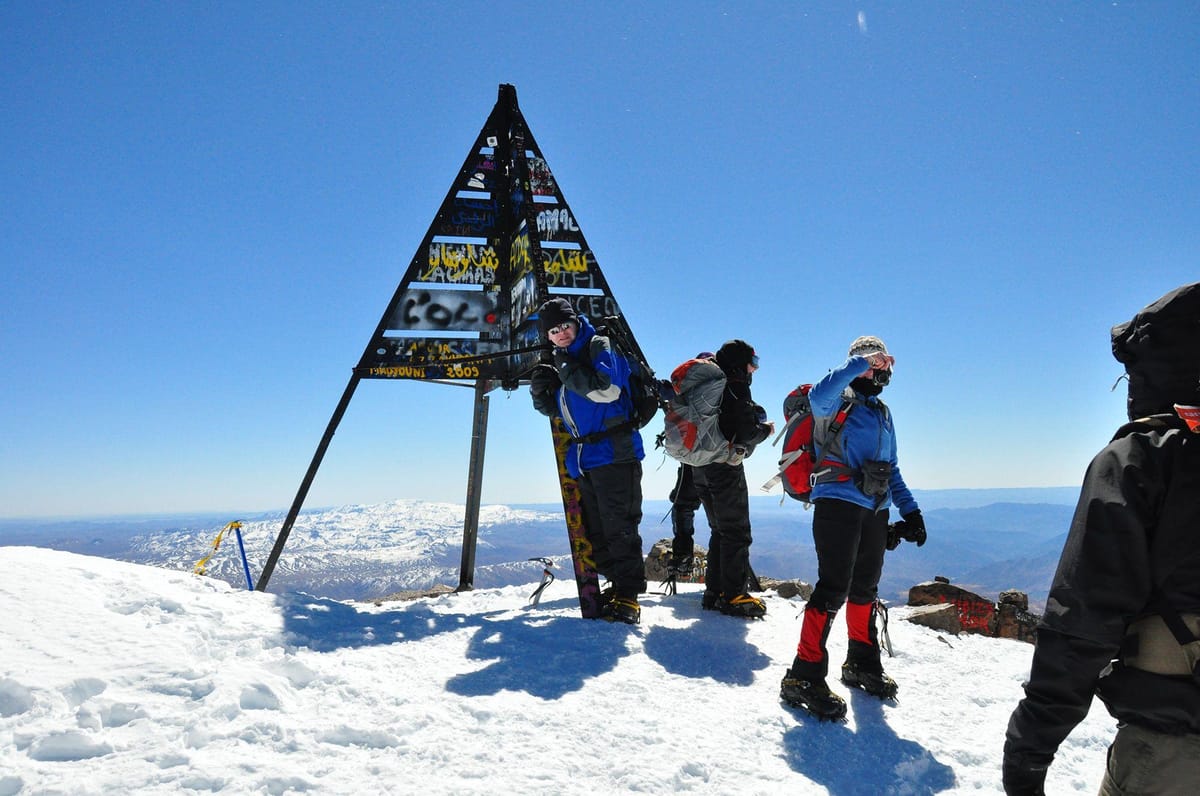
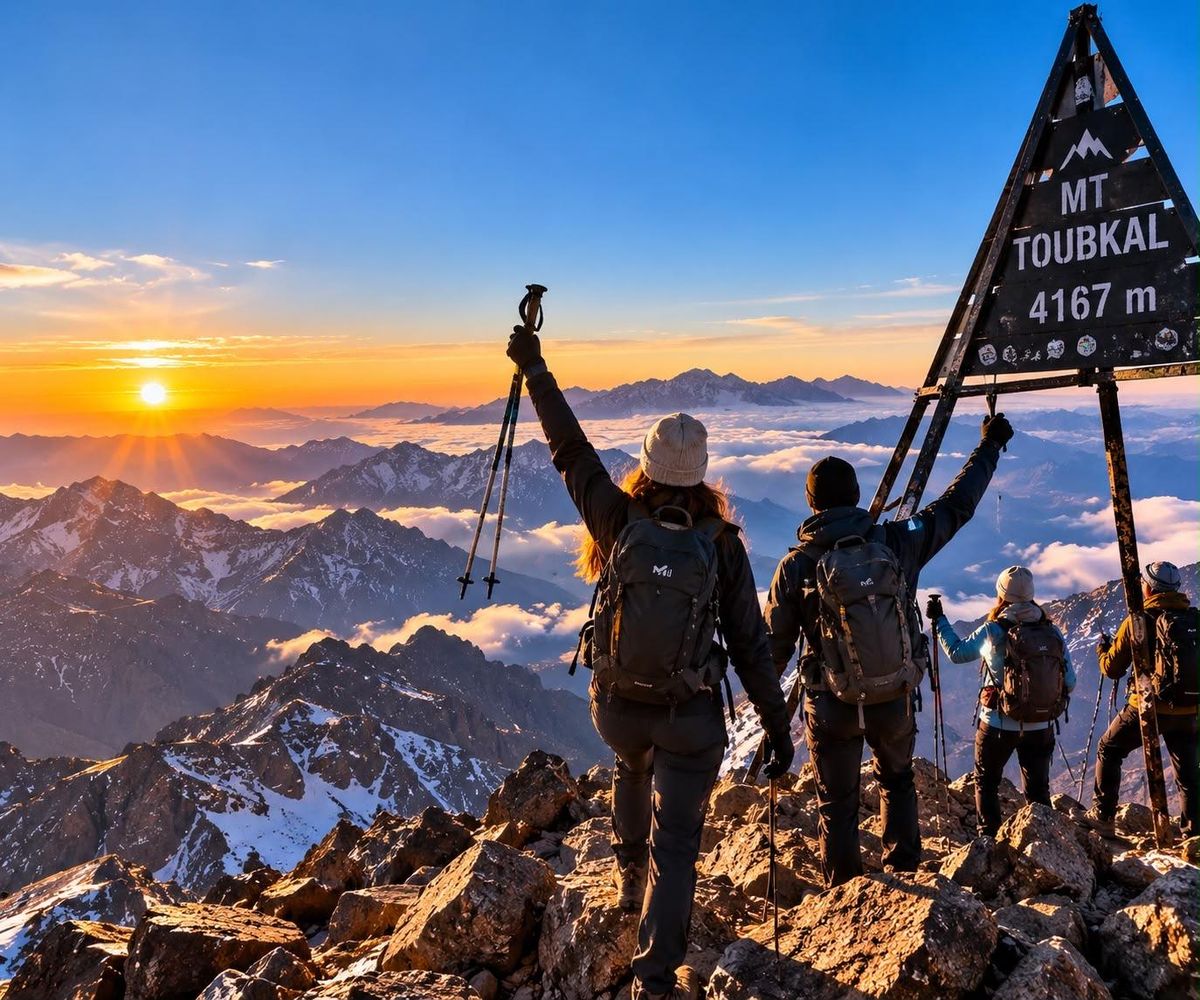
Whatever month you choose, the summit is 4,167 metres. Altitude affects people in summer as much as in winter. If you have any heart, lung or blood-pressure condition, are pregnant, or take regular medication, ask your doctor before booking a trek to 4,167 metres.
Prices by season
Our tour prices are the same on the tour pages regardless of the month you book, unless a specific programme states otherwise. Our current 2-day Toubkal treks start from **€105.75 per person** and 3-day treks from **€206.33 per person**.
For a first overview, read our [Mount Toubkal trek beginner's guide](/blog/mount-toubkal-trek-beginners-guide) and the [Atlas Mountains & Imlil guide](/blog/atlas-mountains-imlil-guide). For weather in the village itself, our article on Imlil weather month by month gives more detail.
Crowds through the year
Crowds matter on Toubkal because the refuges have limited space. In the busiest months the trail can feel like a procession on summit morning, with many headlamps on the scree. Quieter months feel wild and peaceful.
- **Busiest:** usually July and August, and around some European and Moroccan holidays [TO CHECK: exact peak holiday periods].
- **Moderate:** June, September and early October.
- **Quiet:** mid-winter and the shoulder months.
If you want a quieter trail but snow-free conditions, aim for September or early October, and walk midweek if you can.
Day length and start times
Day length changes your summit day. In June and July you have long daylight, which gives more margin on the descent. In December and January days are short, so starts are early and there is less spare time if something goes slowly. Your guide plans the timings around the season and the group's pace.
Temperatures to expect
Marrakech can be very hot in summer and mild in winter, but the summit is always much colder. Even on a warm summer morning the top can be close to freezing, especially with wind [TO CHECK: typical summit temperatures by season]. In winter, temperatures at the refuge and summit can drop well below zero. Pack warm layers, a hat and gloves whatever the month.
Ramadan, holidays and your plans
Some trekkers ask whether religious holidays or local events affect the trek. Treks generally continue all year, and our team plans meals and timings accordingly. If your dates fall during Ramadan or a public holiday, mention it when you book so we can tell you anything specific for your programme.
Booking ahead
For the busy summer months, book early so your preferred date and refuge night are available. For winter, book with a programme that includes winter equipment and be ready for weather changes. Either way, free cancellation up to 24 hours before the start gives you flexibility.
Our honest recommendation
If this is your first big mountain and you want the simplest conditions, choose a snow-free month and a three-day programme. If you already have winter walking experience and want something special, a guided winter ascent is unforgettable. And if you only have one weekend, any snow-free month with a two-day trek can work, as long as you start slowly.
Keep reading
- [Mount Toubkal Trek: The Complete Beginner's Guide](/blog/mount-toubkal-trek-beginners-guide)
- [Toubkal 2-Day Trek Itinerary, Step by Step](/blog/toubkal-2-day-trek-itinerary)
- [Atlas Mountains & Imlil guide](/blog/atlas-mountains-imlil-guide)