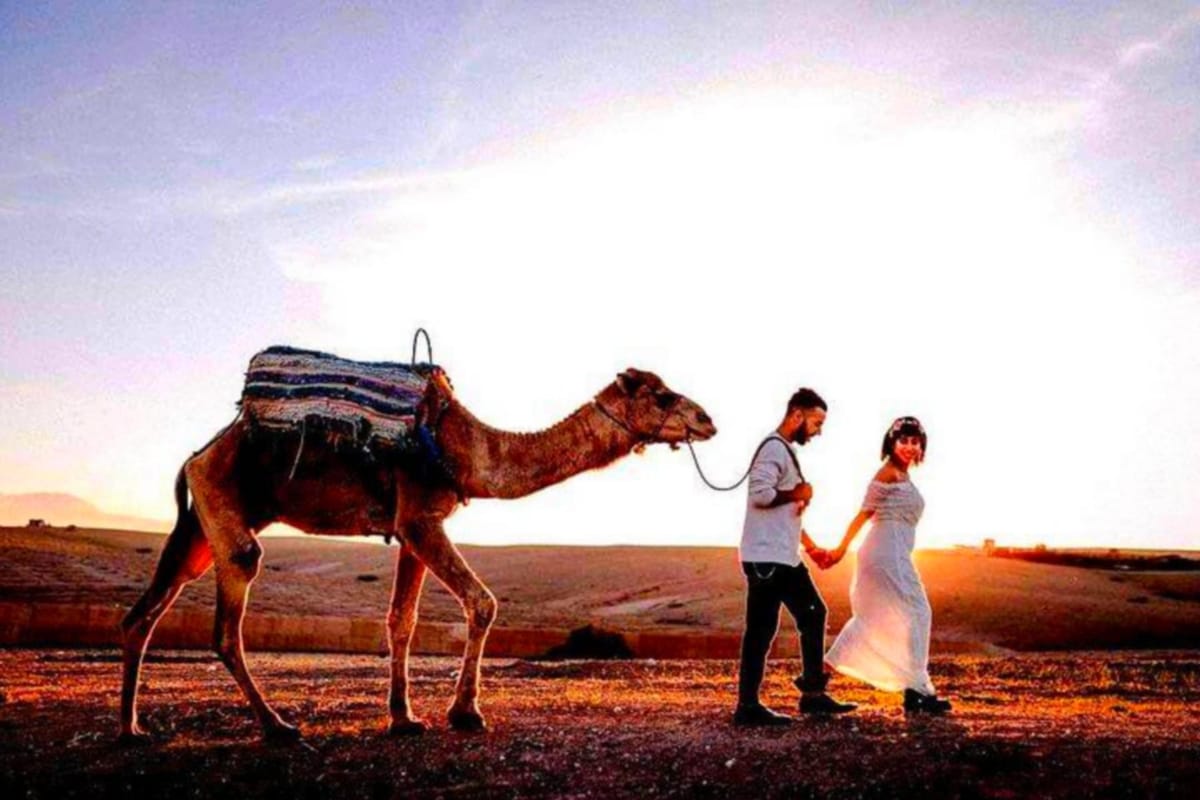
Is Agafay a real desert? Honest answer from local guides: no Sahara dunes, but a stunning stone desert 40 km from Marrakech. What you'll actually see.
If you're expecting golden Sahara dunes, Agafay will surprise you — and that's exactly why people fall in love with it.
By Amazouz Morocco Tours team, local guides based in Marrakech and the High Atlas
This is the most honest article we can write about Agafay, because it is the question every guest asks us on the way there: "Is it a real desert?" The truthful answer is no — not in the way most people imagine. And yet almost everyone who visits comes back saying it was one of the best things they did in Morocco. Here is what Agafay actually is, and what you will actually see.
What Agafay really is
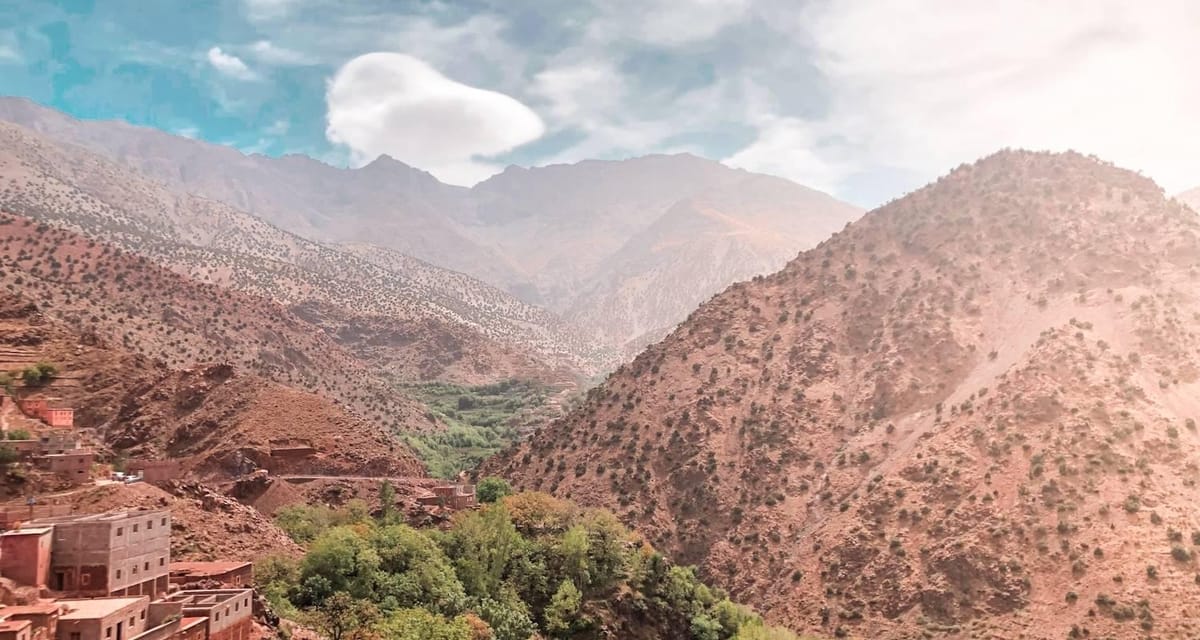
Agafay is a stone desert — what geologists call a reg. Instead of sand dunes, you get rolling hills of pale rock, hard-baked earth and scattered stones, stretching in waves towards the horizon. It looks like the surface of the moon, or a film set.
The desert sits about 40 km southwest of Marrakech, roughly 45 minutes by road, at the foot of the High Atlas. On clear days the snow-capped mountains rise behind the desert hills, which gives Agafay its signature view: desert in front, high mountains behind. The real Sahara cannot offer that.
Why there are no dunes
Sand deserts like Merzouga's Erg Chebbi form where winds deposit fine sand over huge areas. Agafay is a plateau of harder ground, shaped by water erosion over millions of years rather than by wind-blown sand. The result is hills and dry riverbeds (wadis) instead of dunes. After rare heavy rain, the dry riverbeds can briefly run with water and patches of green may appear.
So why do people love it?
It is close. The nearest real sand dunes are 350+ km away — a full day's drive or an overnight trip. Agafay is 45 minutes from your riad. You can leave Marrakech after lunch and be watching the sunset over the desert with a mint tea in your hand.
The light. Because the hills are pale and bare, they catch the evening light spectacularly. The whole desert turns gold, then pink, then purple, with the Atlas behind it. Photographers plan trips around it.
The silence. A few minutes' walk from any camp and you are in complete stillness — no roads, no wires, no noise. Guests consistently tell us this is what they remember.
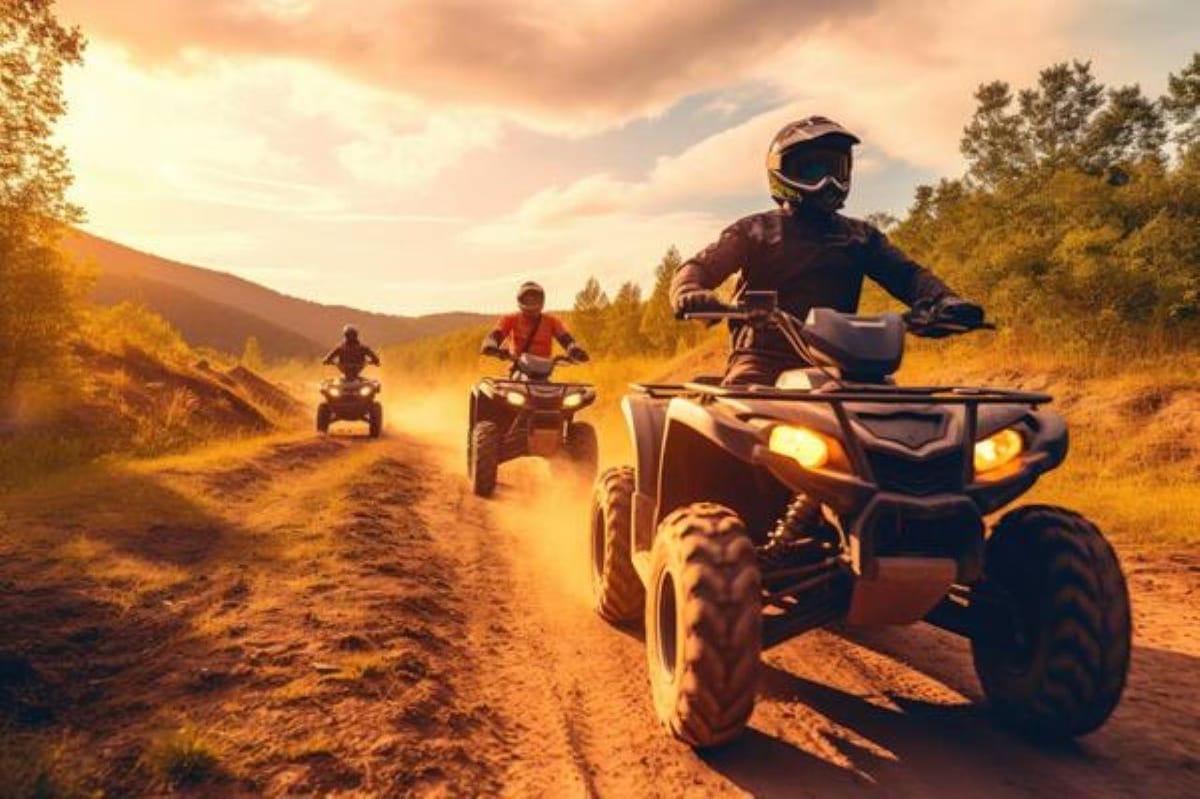
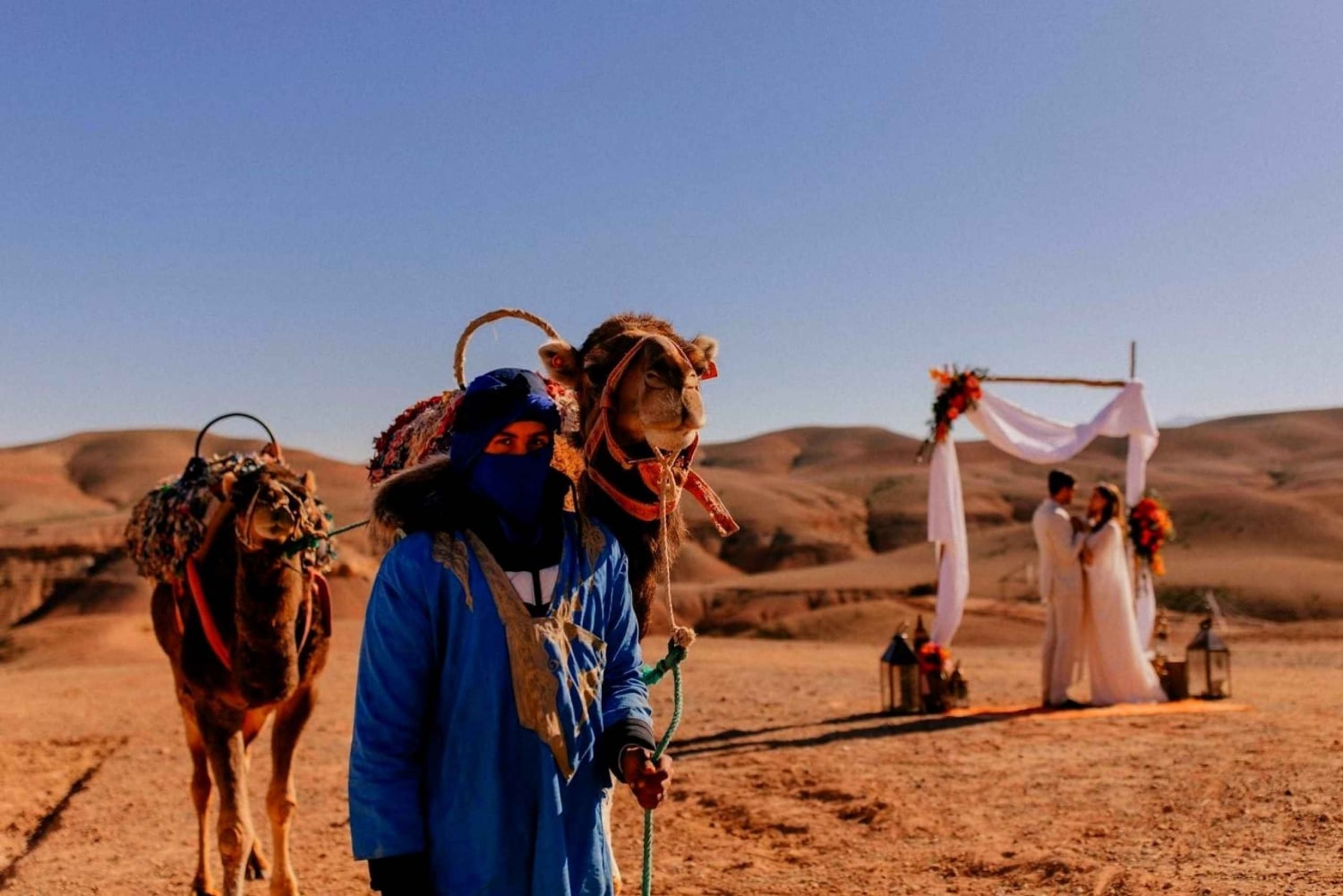
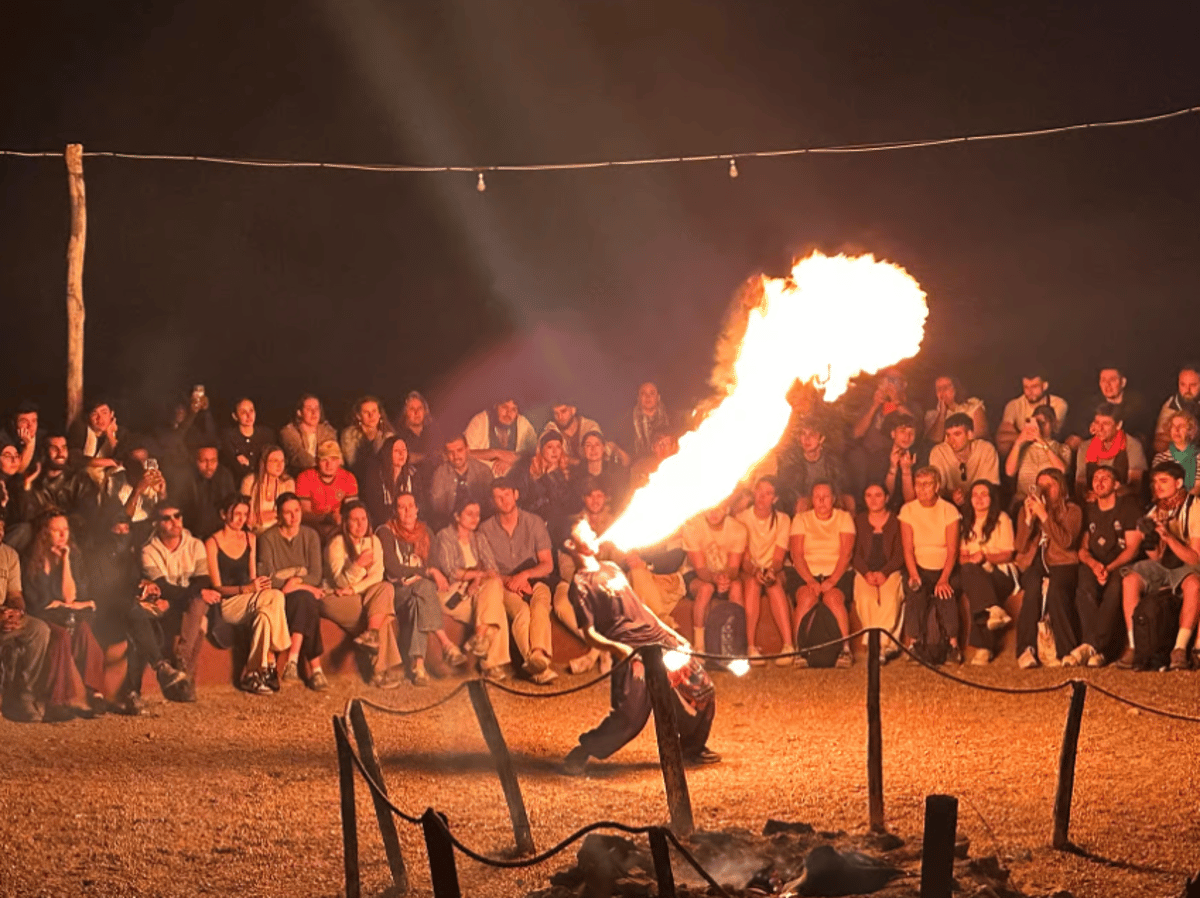
The activities. Camel rides, quad biking, buggy rides, horse riding, pool days, dinners with live music and fire shows — Agafay has become Morocco's playground. Our [Agafay Desert guide](/blog/agafay-desert-guide) covers the main options, and our sister site toubkalviews.com has a complete Agafay guide plus detailed comparisons of quad vs buggy and the dinner shows.
What you will actually see on a visit
Arriving from Marrakech, the green palm groves thin out, the road climbs gently, and suddenly the landscape opens into bare, rolling hills. You will see:
- Waves of pale, rocky hills stretching to the horizon
- The High Atlas mountains behind them, snow-capped from roughly November to May
- Scattered luxury camps with white tents among the hills
- Camels, quads and buggies on the tracks between camps
- Small Amazigh villages and herds of goats on the desert edges
- Lalla Takerkoust lake, a turquoise reservoir, on the desert's western side
What you will not see: sand dunes, sand in your shoes, or the Sahara. Anyone who promises you "Sahara dunes near Marrakech" is not being honest with you.
Agafay or the Sahara: which should you choose?
This deserves its own comparison, and our sister site has written it — see the Agafay vs Merzouga and Agafay vs Sahara guides on toubkalviews.com. The short honest version: if you have one free evening or one free day, choose Agafay. If you have two or three days and your heart is set on real dunes, choose Merzouga or Zagora. Many guests do both, and they are different enough that neither spoils the other.
The honest verdict
Is Agafay a real desert? Geologically, yes — a stone desert is a desert. Is it the Sahara? No, and we will never pretend it is. Is it worth your time? Absolutely — for the sunset, the silence, the mountains behind the hills, and the sheer ease of it. Come expecting a lunar landscape rather than a sea of sand, and Agafay will exceed your expectations.
A short history of the land
Long before the camps and quad bikes, these hills were — and still are — home to Amazigh (Berber) villages. Families here have farmed the valley floors and herded goats and sheep across the rocky slopes for generations, and you will still see their olive groves and small fields wherever a wadi brings water. The desert's emptiness is real, but it is a lived-in emptiness, and the camps you stay in are mostly run by people from these villages. We tell the fuller story of the villages and the land in a separate article.
How Agafay is changing
Twenty years ago almost no visitor came here. Today the hills hold dozens of camps, from simple to luxurious, and the desert has become Marrakech's evening playground. That growth brings jobs to the villages, and it also brings pressure — on water, on tracks, on the quiet itself. We work with camps that take this seriously, and we ask our guests to help: stay on the tracks, take litter home, and keep the desert as empty as you found it.
So come with the right expectation: not dunes, but something rarer — an empty, silent, moon-coloured landscape less than an hour from one of Africa's busiest cities. Most of our guests arrive curious and leave converted. We think you will too.
And if your heart is set on true dunes, we will happily take you there too — Merzouga and Zagora are real Sahara, and we run tours to both. The two deserts complement each other; neither replaces the other.
Frequently asked questions
### Does Agafay have sand dunes?
No. Agafay is a stone desert of rolling rocky hills. The nearest real sand dunes are at Merzouga or Zagora, hundreds of kilometres away.
### How far is Agafay from Marrakech?
About 40 km, roughly 45 minutes by road — close enough for an evening dinner trip or a half-day visit.
### Is Agafay worth visiting if I've seen the Sahara?
Yes. The combination of desert hills with the snow-capped Atlas behind them is unique, and the sunset light is spectacular. It is a different experience, not a lesser one.
### What is a stone desert?
A desert of rock and hard-baked earth rather than sand — geologists call it a reg. It forms through water erosion over millions of years instead of wind-blown sand.
### Can I visit Agafay in one evening?
Yes. Sunset and dinner trips leave Marrakech in the afternoon and bring you back late in the evening — one of the most popular evenings out of the city.